Flora and Fauna
Bhutan is considered one of the top ten bio-diversity hotspots in the world. For centuries Bhutan has treasured the natural environment. One of the ancient names for Bhutan was “valleys of medicinal herbs”. More than 70% of the country is covered by forest. The government is determined to conserve this wealth and the Constitution requires at least 60% of the land to remain under forest cover for all time.
Bhutan is blessed with rich exotic flora and fauna. There are 46 species of rhododendrons and over 300 types of medicinal plants. Junipers, magnolias, rare orchids, blue poppy (the national flower), edelweiss, gentian, primulas, daphne, giant rhubarb, high altitude plants, tropical trees, pine and oak are also common sights.
Bhutan is a paradise for a wide range of animals. The relative abundance of wild animals is attributed to the Buddhist reluctance to take life. Snow leopard, blue sheep, red panda, tiger, takin, marmot and musk deer are found in the higher regions. The temperate zone is home to tiger, leopard, goral, grey langur, Himalayan black bear, red panda, sambar deer, wild pig and barking deer.
In the lowlands of southern Bhutan, mammals include tiger, clouded leopard, elephant, one-horned rhinoceros, water buffalo, golden langur, gaur, swamp deer and hog deer, along with hornbills and many other birds.
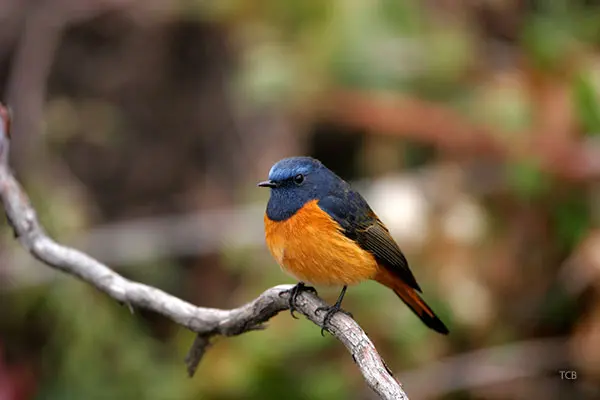
Bhutan is a perfect place for bird watching. Over 700 bird species have been recorded, including waders, thrushes, finches and buntings, the beautiful nuthatch, dark-rumped swift, white-bellied heron and wood snipe.
Endangered black-necked cranes are winter visitors. They fly over the Himalayas between late October and December to spend the winter in the wetlands of Phobjikha and Bumdeling. The rufous-necked hornbill hides out in the lush tropical rain forests of the south. The rarest of the herons, the white-bellied heron, lives in Bhutan all year round.